

Pokies Payout Percentage By State: What Changes Across Rooms
Most punters reckon the pokies payout percentage by state is a fixed number, but the reality shifts depending on where you sit and which room you walk into. I have spent years watching how venues balance edge and entertainment across Southeast Asia and back home, and the pattern is familiar: local rules shape the floor, then the operator shapes the rest. That is why two clubs in Newcastle can run the same cabinet and still feel like different games.
The first thing you notice is that the lobby is not a random scatter of screens. A good operator organises the floor by volatility, provider, and theme, so you can find what you want without trawling through a dozen dead ends. In practice, that means a high-variance section keeps the newer releases together, while the steady grinders sit in a quieter corner with clearer signage. The search bar helps, but the real discovery happens when the room is laid out with intention rather than dumped in a single wall.
I have run growth plays where the product mix had to match the audience, and the same logic applies here. A room that leans too hard into one provider starts to feel thin, especially once the regulars know every line on the paytable. The better venues keep a spread of studios, a few live tables tucked behind the pokies, and a small but purposeful table section that does not distract from the main floor. When the mix is balanced, the return you see on the cabinet feels less like a gamble on the room itself.
| Room section | What you usually find |
|---|---|
| Main pokies wall | Mixed volatility, frequent new releases, clear provider labels |
| High-variance corner | Newer titles, bigger swings, smaller regular traffic |
| Steady play zone | Familiar cabinets, quieter noise, easier bankroll pacing |
| Tables and live area | A few blackjack and roulette options, positioned out of the main walkway |
The payout you see on a machine is only part of the story, because the room decides which machines get promoted, which ones get rotated out, and how often the lobby refreshes. That is where the operator’s taste shows up.
What The Lobby Tells You About Payouts
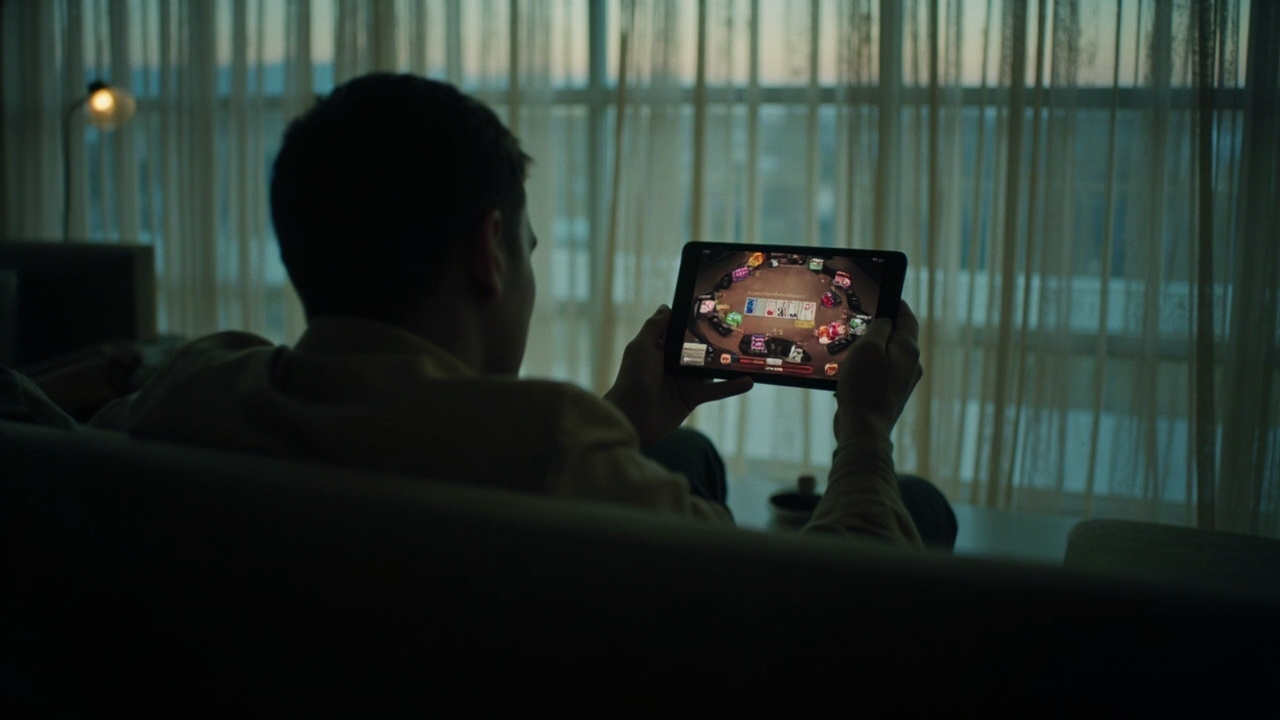
A well-run lobby makes the payout conversation easier without spelling it out in neon. You can usually tell a lot from how the titles are grouped, how often the cabinets change, and whether the room seems to care about keeping the floor fresh. When I look at a venue the way I would look at a consumer product in Bangkok or Manila, I am checking whether the offering feels deliberate or just crowded.
The practical walkthrough starts before you even sit down. You walk in, read the layout, and decide which section matches the session you want. If you are after a longer run, you head for the steadier corner and pick a title you recognise. If you want a sharper swing, you move to the newer wall and treat the first few spins as a read on the machine, not a commitment. None of this guarantees anything, but it does mean you are choosing the environment instead of just dropping into the first open seat.
A useful way to test the room is to play a short session on a familiar title and watch how the floor behaves around you. If the same cabinet keeps getting swapped out overnight, the operator is actively managing the mix. If the lobby feels static, the room may be leaning on a smaller set of titles and hoping the regulars do not notice. That is the kind of judgement call I make in growth work all the time: the surface looks similar, but the underlying behaviour tells you what is actually happening.
State Rules, House Style, And Local Detail
The pokies payout percentage by state is shaped by the rules that apply where you are playing, but the house style still does the heavy lifting. Two venues under the same local framework can run very differently because one treats the floor as a destination and the other treats it as a backdrop. In Newcastle, I have seen rooms that keep the noise down, mark the sections clearly, and let the machines do the talking, which usually makes the session feel more readable from the start.
You can see this contrast in action when you compare a high-traffic club with a quieter local hall, even if both follow the same technical standards. For a hands-on look at how machine selection and floor layout influence the overall experience, try the big bass splash demo at https://big-bass-splash-demo-au.com/. The difference rarely comes down to the jurisdiction alone; it comes down to how deliberately a venue curates its machines and manages player engagement.
The practical detail that matters most is consistency. A room that changes its lobby every week without a clear pattern is harder to read than one that rotates titles in a predictable cycle. You do not need a spreadsheet to spot that; you just need to notice whether the same names keep reappearing in the same corner. That is the sort of local knowledge that saves a session from feeling like a blind jump.
The other thing I always check is how the room handles the slower parts of the visit. A decent venue keeps the queue for drinks reasonable, does not crowd the walkways, and gives you enough space to read a paytable without elbowing someone out of the way. None of that is glamorous, but it changes how you experience the floor, and it changes whether the session feels managed or just busy as.
How To Read A Session Without Overthinking It
The simplest way to use the room is to treat the first few minutes as a read, not a bet. You pick a section that matches the session you want, choose a title that fits that volatility, and watch how the machine behaves before you decide whether to stay. That is not a trick for beating the odds; it is just a way of making the session less random from the start.
I have seen heapsowinscomlogin.com growth campaigns fail because they promised a feeling the product could not deliver, and the same caution applies here. A room can look lively on the sign and still feel flat once you sit down, so the real test is whether the floor matches the promise. If the lobby is organised, the mix is varied, and the sections are clear, you at least know what kind of session you are walking into.
A short list helps keep the visit practical:
- Pick a section that matches the session length you want.
- Choose a title you recognise before you commit to a longer run.
- Watch the floor behaviour in the first few minutes, not just the screen.
- Keep the bankroll pacing in mind before the noise of the room takes over.
None of this makes the game predictable, and it certainly does not make any outcome safe. It just means you are using the room, rather than letting the room use you.
The pokies payout percentage by state is only one part of what shapes a session, and the room around the machine does the rest. If the lobby is organised, the mix is varied, and the sections are easy to read, you can at least pick the kind of floor you want instead of dropping into whatever is open. That is the difference between wandering in and choosing where to sit, and it is the difference I keep coming back to whenever I judge a venue, whether I am looking at a club in Newcastle or a floor somewhere else in the region.